Winter is when an infrared sauna gets used the most in most households, since shorter days, colder weather, and less outdoor activity all push people toward a warm, low-key routine at home. The heat that feels like a nice option in July becomes the main draw in January, which is part of why usage data and anecdotal reports both point to winter as peak season for home sauna ownership.
Why Usage Climbs When Temperatures Drop
Summer competes for attention with pools, patios, and outdoor plans that make a hot cabin a harder sell on a warm evening. Winter removes most of that competition. Shorter daylight hours push more of daily life indoors anyway, and a warm, private 20-to-40-minute session becomes an easy way to end a cold day rather than one option among many warm-weather activities.
People who bought a sauna in spring or summer sometimes do not realize how much more they will use it once the weather turns. It is a common pattern for session frequency to roughly double from summer to winter in the same household, purely because the appeal of heat scales with how cold everything else feels.
What Changes for an Outdoor Cabin in Cold Weather
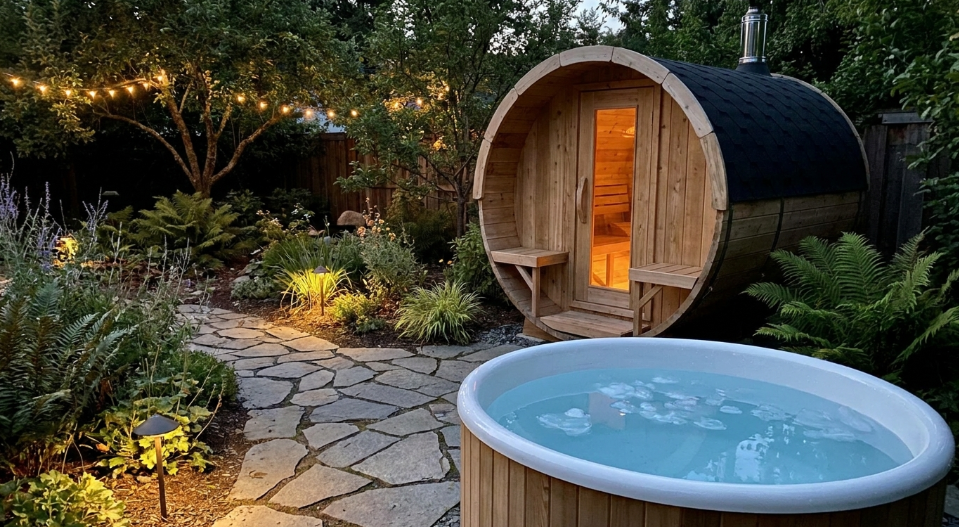
An outdoor infrared cabin rated for winter use will take a little longer to reach target temperature on very cold days, since it is starting from a colder baseline than in summer. Well-insulated cabins handle this without much trouble; the difference is usually a matter of a few extra minutes, not a functional problem. Keeping the path to the cabin cleared of snow and ice matters more for safety than the cabin’s own cold-weather performance.
Anyone in a genuinely harsh winter climate should check a model’s cold-weather rating before buying if outdoor placement is the plan, since not every cabin is built with the same insulation and sealing standards for sub-freezing conditions.
The Appeal of Contrast With Winter Weather
Stepping from a hot cabin into cold outdoor air, even briefly, is a milder version of the contrast exposure some people seek out deliberately with cold plunges. It is not something to force on the coldest day of the year as a first try, but for people who already enjoy heat-and-cold contrast, winter provides a naturally available cold side without needing an ice bath or chiller.
This is a matter of personal preference rather than a documented health practice on its own; the research support that exists is specifically about structured heat and cold exposure protocols, not casually stepping outside in winter clothes.
Indoor Ownership Sidesteps the Weather Question Entirely
For anyone with the interior space, an indoor cabin in a basement, garage, or spare room performs identically regardless of season, which removes cold-weather performance from the buying decision altogether. Indoor placement has become a popular choice specifically because it makes a sauna a genuinely year-round fixture rather than something that needs winterizing or extra planning once temperatures drop.
The tradeoff is interior square footage, which not every home has to spare, making outdoor placement the more realistic option for many buyers regardless of climate.
What the Evidence Says About Regular Winter Use
A review in Mayo Clinic Proceedings summarizing sauna bathing research found regular, sustained use, not any particular season, was the pattern most associated with the outcomes researchers have studied in long-term Finnish cohorts, where sauna bathing is a year-round habit rather than a warm-weather activity. A separate review in The American Journal of Physiology looking at how the body responds to heat and cold exposure noted that the physiological response to sauna heat does not meaningfully change with outdoor season, since the cabin’s interior temperature is what the body is actually responding to. In other words, winter’s advantage is behavioral, people simply use the sauna more often when it is cold outside, rather than the sauna working any differently in January than in July.
Planning a Winter-Ready Purchase
Ordering in late summer or early fall gives enough lead time for delivery, any electrical work, and outdoor base preparation before the ground freezes in colder climates, so the cabin is ready right as winter demand for it kicks in. Buyers shopping later in the year, including through SweatDecks.com and other specialty retailers, can still get a cabin installed through winter in most regions, though outdoor concrete or gravel base work can be harder to schedule once the ground is frozen.
Indoor installations avoid that particular scheduling headache, since floor placement does not depend on outdoor ground conditions the way an outdoor pad does.
Winter as a Mood and Routine Anchor
Beyond the physical warmth, a fixed evening sauna session gives winter a bit of structure that the season otherwise lacks once outdoor activities fall away. Shorter days tend to compress evenings into screen time by default, and a scheduled 20 to 30 minute session offers an alternative that does not depend on the weather cooperating the way a walk or run does. Households that struggle to keep any winter routine going sometimes find a sauna sticks specifically because it works regardless of how cold, dark, or icy it is outside.
This is a behavioral pattern rather than a documented clinical benefit, worth noting honestly rather than overselling it as something more than a comfortable habit that happens to fit winter particularly well.
Frequently Asked Questions
Does cold weather affect how an infrared sauna performs?
An outdoor cabin will take a few extra minutes to reach temperature in freezing weather since it starts from a colder baseline, but well-insulated units handle winter use without issue. Indoor cabins are unaffected by outdoor temperature and heat up the same year-round.
Is it safe to use an outdoor infrared sauna in the snow?
Yes, as long as the path to the cabin is cleared and not icy, and the unit itself is rated for outdoor winter use. Stepping out of a hot cabin into snow briefly is a form of contrast exposure some people enjoy, though it is worth easing into rather than trying on the coldest day of the year first.
Does an infrared sauna help with dry winter skin?
Sweating during a session can leave skin feeling different afterward, but a sauna is not a substitute for moisturizing routines that address dry winter skin directly. Showering and moisturizing after a session is a reasonable habit regardless of season.
When is the best time of year to buy and install a sauna?
Late summer and early fall are popular for ordering, since it allows time for delivery and any electrical work before cold weather sets in, putting the cabin in use right when winter demand for it typically rises. Ordering in winter still works, it just means a shorter window before you actually want to be using it.
References
- Cardiovascular and Other Health Benefits of Sauna Bathing: A Review of the Evidence, Mayo Clinic Proceedings (2018)
- Effects of heat and cold on health, with special reference to Finnish sauna bathing, American Journal of Physiology – Regulatory, Integrative and Comparative Physiology (2018)
- Clinical Effects of Regular Dry Sauna Bathing: A Systematic Review, Evidence-Based Complementary and Alternative Medicine (2018)